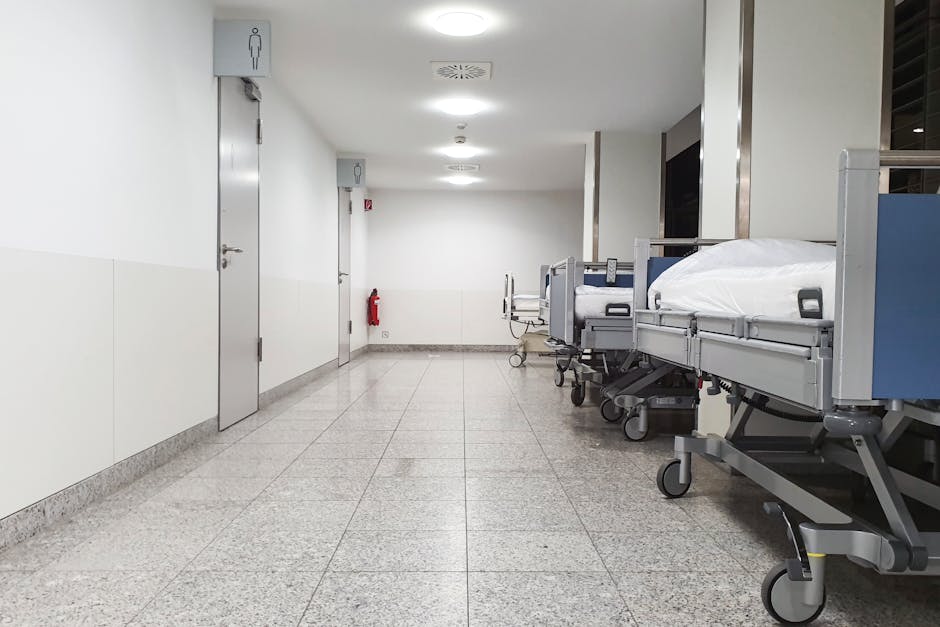
Homerton University Hospital furniture removals made simple
Moving furniture near a busy hospital area can feel oddly complicated. There are tight time windows, awkward access, a lot of traffic, and usually at least one item that is heavier than it looks. If you are planning Homerton University Hospital furniture removals made simple, the goal is not just to shift a sofa or desk from A to B. It is to do it safely, quickly, and with as little disruption as possible.
That might mean helping staff move office furniture, assisting a patient or family member with a room change, or supporting a nearby flat move that has hospital-related timing pressures. Truth be told, the logistics matter as much as the lifting. In this guide, we'll break down how it works, what to expect, what can go wrong, and how to make the whole thing feel a lot less stressful. We'll also link to useful local resources, including furniture removals in Homerton, broader removal services in Homerton, and practical support pages that help you plan properly.
By the end, you'll have a clear idea of the best approach, whether you need a simple one-item move or a carefully timed removal with packing, loading, storage, or same-day support. No fluff. Just the useful stuff.
Why Homerton University Hospital furniture removals made simple matters
Hospital-adjacent moves are not the same as a casual van load on a quiet residential street. Around Homerton University Hospital, timing can be tight, entrances can be busy, and the last thing anyone wants is a wobbling wardrobe blocking a corridor or a badly planned arrival during a peak period. Even a small furniture move can affect patient comfort, staff workflow, or building access.
That is why a straightforward, well-organised service matters. A simple process reduces noise, delays, and physical strain. It also gives you a better chance of protecting floors, walls, door frames, lifts, and the item itself. If you have ever tried to get a bulky bed base down a narrow stairwell at the end of a long day, you'll know exactly what I mean. It's never just "a quick lift," is it?
There is also a trust factor. Hospitals and nearby homes tend to be places where people value reliability. You want someone who turns up when they say they will, handles the item properly, and communicates clearly. That is where proper planning and a good local removals setup become genuinely valuable.
For larger household jobs that include furniture as part of a wider move, it can help to look at house removals in Homerton or flat removals in Homerton. If the move is more time-sensitive, same-day removals in Homerton may be more appropriate.
How Homerton University Hospital furniture removals made simple works
The process is usually simpler than people expect, provided you break it into stages. Most furniture removals around the hospital area follow a rhythm: assess, prepare, collect, protect, transport, and place. Sounds basic, but the detail is where things stay smooth.
1. Assess the furniture and the access
Start by checking what is being moved. Is it a sofa, desk, medical-style chair, wardrobe, bed frame, or something unusually heavy like a piano? Measure the widest points, note any detachable parts, and check access at both ends. Narrow staircases, lifts, parking restrictions, and loading bays can all affect the job.
2. Choose the right level of help
Some moves suit a man with van in Homerton setup; others need a fuller removals team. If the item is bulky, fragile, or awkward to manoeuvre, a proper removal van in Homerton with the right straps, blankets, and equipment is a safer choice. For specialist items, the service may need to be more specific still. A piano, for example, is not a "let's just wing it" job. Not even close.
3. Prepare the item properly
Disassemble what can be safely taken apart. Remove drawers, shelves, loose glass, and fragile fittings. Wrap sharp edges and protect finishes. If the furniture is going into storage, use materials that suit longer-term protection rather than a quick trip across town. There is a helpful guide on keeping a sofa in storage properly, which is worth reading if your item won't be used immediately.
4. Load with care
Furniture loading is about balance, not brute force. Heavy items should be secured to stop shifting during transport. Soft items need protection from scuffs, dust, and moisture. The van should be packed in a logical order, with heavier pieces anchored first and delicate surfaces cushioned. If you are doing it yourself, this is where a lot of damage tends to happen. A small wobble during a corner turn can leave a mark that you'll be staring at for months.
5. Deliver at the right time
Hospital-related removals often benefit from careful timing. Early mornings, quieter midday windows, or scheduled delivery slots may reduce disruption. If the move needs to fit around appointments, shift changes, or access restrictions, planning the delivery time makes all the difference. You can see how a timed approach works through delivery at the best time for you.
In many cases, the simplest option is also the smartest: package your items and wait for us to come. That keeps the process calm, organised, and predictable.
Key benefits and practical advantages
There are several real advantages to using a well-planned furniture removal service near Homerton University Hospital. Some are obvious. Others only become obvious when you've had a difficult move and thought, well, that could have gone better.
- Less physical strain: Heavy lifting is tiring and risky, especially when items are awkward or top-heavy.
- Lower chance of damage: Proper handling helps protect furniture, walls, floors, and doorframes.
- Better time control: A scheduled move can fit around hospital routines, work shifts, or building access.
- Less disruption: This matters if the move affects patient areas, staff spaces, or shared residential buildings nearby.
- More confidence: You are not guessing your way through the move while juggling the van keys and a bedhead.
There is also a quieter benefit: peace of mind. That sounds soft, but it matters. When you know the furniture will be collected carefully and delivered without drama, the day feels easier. And a calmer move tends to go better, full stop.
For readers looking at broader local support, removals in Homerton and removal companies in Homerton are useful starting points for comparing options. If you only need one strong helper and a van, a man and van in Homerton arrangement can be cost-effective and flexible.
Who this is for and when it makes sense
This kind of service is useful for more people than you might think. It is not just for full house moves or office relocations. Sometimes it is the simplest answer to a very specific problem.
- Hospital staff moving desks, chairs, lockers, or small office furniture between departments or nearby premises.
- Patients and family members who need to move furniture into or out of nearby accommodation while keeping the schedule flexible.
- Local residents who live near the hospital and need a dependable collection service for bulky items.
- Landlords and tenants handling furniture between flats, rooms, or storage.
- Students and short-term renters whose move has to happen quickly and without too much fuss.
It also makes sense if the item is simply too much for one person to manage safely. A heavy sofa or solid wood wardrobe can look manageable from one end. Then you reach the stairs and, well, reality arrives. If you have already read about solo heavy lifting hacks or proper lifting techniques, you already know that the safest move is often the one you don't try to do alone.
For student or compact moves around the area, you may also find student removals in Homerton helpful, especially if the furniture is limited but the timing is tight.
Step-by-step guidance
Here is a practical way to organise the move without overcomplicating it. Small steps. Clear order. That's usually the trick.
- List the furniture clearly. Write down each item, approximate size, and whether it can be dismantled.
- Measure access at both ends. Check door widths, stair turns, lift dimensions, parking space, and any access codes or restrictions.
- Decide what needs packing. Use blankets, wrap, cardboard corner protectors, or mattress covers where needed.
- Choose the right service level. Decide whether you need a single-item collection, a moving van with help, or a full removal service.
- Book the best time slot. Try to align the collection with the least disruptive part of the day.
- Prepare the route. Clear hallways, protect floors if necessary, and let others know what is happening.
- Confirm the details. Double-check the address, contact number, item list, and any special handling instructions.
- Inspect on arrival and delivery. Check the item before loading and again after placement.
One small but useful habit: take a quick photo of each item before the move, especially if it has visible wear or a delicate finish. It is simple, a bit boring, and oddly reassuring later on.
If you need packing support, packing and boxes in Homerton can help you keep things tidy and secure before the van arrives. And if you want a deeper read on handling move prep, this packing guide is a sensible companion.
Expert tips for better results
A few practical details make a big difference. These are the kinds of things experienced movers tend to notice quickly, while first-timers often only notice after the sofa has clipped a wall. Oops.
- Separate fittings early: Keep screws, bolts, and shelf pins in labelled bags taped to the item or stored together.
- Use the right wrap: Fabric items need breathable protection; polished surfaces need padding that won't scratch.
- Plan for corners: Stairwell turns and narrow landings are where patience matters most.
- Protect floors and lifts: In shared buildings, this keeps everyone happier and reduces complaints later.
- Leave a clear path: Clutter, shoes, bins, and random bags are tiny obstacles that become huge in motion.
Another good tip is to think about the destination before the collection. Where exactly will the furniture go when it arrives? Into a storage unit? Directly into a clinic office? Straight into a flat with no lift? That answer changes the equipment and the loading order.
For larger or more delicate items, it is worth browsing specialist pages such as piano removals in Homerton or reading why DIY piano moving can be risky. Not every move needs that level of specialist care, but if yours does, don't improvise.
Common mistakes to avoid
A lot of the stress around furniture removals comes from avoidable errors. The good news? Most of them are easy to sidestep once you know what to look for.
- Underestimating the size: A piece that looks fine in a room can become a nightmare at the doorway.
- Skipping measurements: Guessing the width of a lift or stairwell is asking for trouble.
- Leaving packing to the last minute: Rushed wrapping leads to poor protection and lost parts.
- Ignoring access rules: If there are loading restrictions near the hospital, you need to know them before the van arrives.
- Trying to lift without a plan: This is where backs get tweaked and corners get chipped.
- Choosing the wrong vehicle: A vehicle that is too small can cause delays, while one that is too large can be awkward in tight access areas.
A lot of people also forget to think about disposal. If something is not going to the new location, decide early whether it should be donated, recycled, stored, or removed. The pre-move declutter stage is often overlooked, but it saves time and money. See this pre-move decluttering action plan for a useful framework.
And if your move finishes with a deep clean rather than a handover, this guide on cleaning before leaving your home is handy too. A tidy exit makes everything feel less chaotic. Surprisingly powerful, that.
Tools, resources and recommendations
Good tools do not make a move glamorous, but they do make it manageable. For furniture removals near Homerton University Hospital, the practical kit usually includes:
- Furniture blankets and straps
- Bubble wrap or protective wrap for corners and finishes
- Mattress covers and dust sheets
- Label tape and marker pens
- Basic tools for dismantling and reassembly
- Gloves with a decent grip
- Floor protection for corridors and loading points
Depending on the job, storage can also be part of the plan. If the furniture is not going to its final home straight away, storage in Homerton may be a useful bridge. For temporary or longer-term use, make sure the item is prepared properly before it goes in. Sofas, for example, need the right care to stay in decent condition. There's useful guidance on sofa storage maintenance, which is worth a look.
If you are moving a bed or mattress, don't underestimate how awkward they can be. The shapes are soft, but the job can be clumsy. This guide to relocating a bed and mattress gives practical advice without overcomplicating things.
For those wanting a broader service overview, the services overview page is a sensible next stop. It helps you compare furniture removals with house, office, and other local moving options.
Law, compliance and best practice
For most customers, the key compliance concerns are practical rather than legalistic. Still, there are a few standards and expectations worth keeping in mind.
First, manual handling should always be approached with care. In the UK, employers and service providers are generally expected to take reasonable steps to reduce lifting risk, use suitable equipment, and avoid unsafe handling where possible. That does not mean every move requires a formal checklist on a clipboard. It does mean safe practice should be built into the job.
Second, in a hospital environment or near one, professionalism matters. Access routes may need to remain clear. Deliveries may need to respect building rules, neighbouring residents, or operational schedules. If the move involves shared spaces, the mover should be careful with noise, cleanliness, and any permission required for loading or parking.
Third, insurance and transparent terms matter more than people sometimes realise. If a company is handling valuable or fragile furniture, you want to know how damage is handled, what is covered, and what responsibilities sit with you as the customer. It is not exciting reading, to be fair, but it is the sort of detail that prevents awkward surprises later. Pages like insurance and safety, terms and conditions, and health and safety policy can help you understand the practical standards behind the service.
If you care about secure booking and payment processes, it is also worth looking at payment and security. And if the item you are moving may be reused, reused again, or disposed of, a company's recycling and sustainability approach can be relevant too. Good practice is not flashy. It's steady, sensible, and clear.
Options, methods, or comparison table
Choosing the right approach depends on the item, the building, the timing, and how much help you want. Here is a straightforward comparison.
| Option | Best for | Pros | Watch-outs |
|---|---|---|---|
| Self-move | Very small, light items | Low upfront cost, full control | Higher risk of injury and damage, especially with bulky furniture |
| Man and van | Single items or small loads | Flexible, usually quicker, good for local jobs | May not suit very heavy or complex furniture without extra help |
| Dedicated removal service | Multiple items, awkward access, fragile furniture | More support, better handling, more predictable planning | Usually costs more than a bare-bones van option |
| Storage-led move | Items not needed immediately | Useful for phased moves, renovations, or delays | Furniture must be packed and protected properly |
For narrow streets and tricky access around the area, the Homerton High Street narrow access guide is especially useful. It deals with the sort of real-world access problems that can turn a simple move into a puzzle.
Case study or real-world example
Here is a realistic example. A local office close to Homerton University Hospital needed two desks, three chairs, a printer stand, and a heavy cabinet moved out before a refurbishment. The building had a narrow entrance, a shared corridor, and limited parking. Nothing dramatic, just enough friction to cause a messy afternoon if nobody planned properly.
The job was made easier by doing three simple things: measuring the access route beforehand, separating the smaller items so they could be carried in one safe load, and scheduling the collection for a quieter part of the day. The cabinet was wrapped, the desks were partly dismantled, and the van was positioned so the carry distance stayed short. No heroics. No chaos. The move was finished without banging the frame or leaving a trail of "where did that screw come from?" moments.
That's often how successful furniture removals work. Not by being fancy. By being thoughtful. A bit boring, maybe. But boring is good when you're moving a cabinet past a tight corner.
If a job like that had needed larger-scale support, the next step might have been a more structured service such as office removals in Homerton. And if it had involved a very short-notice change, same-day help could have been the better fit.
Practical checklist
Use this checklist before the van arrives. It keeps things calmer, honestly.
- Confirm the furniture list and item sizes
- Measure doors, stairs, lifts, and parking access
- Decide whether the item needs dismantling
- Remove loose parts, cushions, and shelves
- Pack screws and fittings in labelled bags
- Protect fragile corners and surfaces
- Clear hallways and loading routes
- Check whether you need storage or direct delivery
- Confirm the collection time and contact details
- Review insurance, safety, and terms if needed
If you are still at the planning stage, it helps to contact the team directly and talk through the item, access, and timing. Sometimes five minutes of proper detail saves an hour of stress later.
Conclusion
Homerton University Hospital furniture removals made simple is really about one thing: making a potentially awkward job feel organised, safe, and manageable. The closer you get to the hospital area, the more timing, access, and handling matter. That is why a clear plan, the right equipment, and a sensible service choice can make such a difference.
Whether you are moving a single item, helping with a department fit-out, clearing a flat nearby, or arranging storage before the final delivery, the best results usually come from calm preparation and practical decisions. Measure first. Pack carefully. Choose the right help. Not glamorous, but very effective.
Get a free quote today and see how much you can save.
If you are ready to make the move feel easier, start with a quote, check your access details, and give yourself a little breathing room. Moves around busy places do not have to be frantic. With the right support, they can be properly straightforward.
Frequently Asked Questions
What does Homerton University Hospital furniture removals made simple actually include?
It usually means a well-organised collection, loading, transport, and delivery of furniture with the right care for timing, access, and safety. Depending on your needs, it can also include dismantling, wrapping, storage, and reassembly.
Can you move just one item of furniture near the hospital?
Yes. Single-item moves are very common. A sofa, bed, desk, or wardrobe can often be handled with a man and van service, provided access and weight are suitable.
Is this service suitable for hospital offices and staff rooms?
Yes, it can be. Office chairs, desks, cabinets, and other workplace furniture can be moved as part of a small or larger office relocation, especially when timing needs to be controlled.
How do I know if I need a man and van or a full removals team?
If the move is small, local, and straightforward, a man and van option may be enough. If the item is heavy, fragile, awkward, or there are multiple pieces, a fuller removals service is usually the safer choice.
What should I measure before booking a furniture removal?
Measure the furniture itself, the widest doorways, stair turns, lift dimensions, and any parking or loading restrictions. It sounds obvious, but this is where many move delays start.
Can furniture be stored if it is not going straight to its final location?
Yes. Storage is often useful when the final space is not ready yet. Just make sure the item is properly wrapped and protected before it goes into storage.
Do I need to dismantle furniture before collection?
Not always, but it often helps. Beds, tables, wardrobes, and desks are usually easier and safer to move if loose parts are removed or taken apart first.
What if I need furniture moved at short notice?
Short-notice help may be possible, especially for local jobs. If timing is tight, ask about same-day or flexible scheduling options early, because availability can change quickly.
How can I reduce the risk of damage during the move?
Wrap delicate surfaces, secure loose parts, protect corners, and make sure the route is clear. Good handling matters too, which is why using the right equipment and lifting technique is so important.
Are there any safety concerns I should think about?
Yes. Heavy lifting, awkward angles, narrow corridors, and shared access spaces all create risk. Safety is a big part of the process, especially around busy areas and in buildings with limited access.
How much does furniture removal usually cost?
Costs vary depending on item size, access, distance, time required, and whether packing or storage is needed. The most accurate way to get a figure is to request a quote based on your actual details.
What happens if my move involves narrow access near Homerton High Street?
Narrow access can affect vehicle choice, carry distance, and timing. It is worth reading a local access guide and telling the removals team about any tricky entrances, stairs, or parking issues before the job begins.
Should I check insurance and terms before booking?
Yes, absolutely. It is sensible to understand what is covered, what your responsibilities are, and how any issues would be handled. Clear terms and safety information are part of a trustworthy service.
Is furniture removal around the hospital area suitable for fragile or specialist items?
Some specialist items may need extra care or a dedicated service. For example, pianos, large glass cabinets, and certain medical-style furnishings may require more than a standard lift-and-load approach.
What is the best next step if I am not sure what service I need?
Start by listing the furniture, taking measurements, and asking for guidance. A quick conversation can usually point you toward the right option, whether that is removals, storage, packing support, or a simple van and helper setup.