Hackney waste rules for estate clearances and removals
Sorting an estate clearance or a full removal in Hackney can feel straightforward at first, then suddenly it isn't. There are bulky items, mixed materials, hallway access, timing pressures, and the big question hanging over everything: what can go out, when, and how? If you are dealing with Hackney waste rules for estate clearances and removals, the safest approach is to plan the clearance around lawful disposal, sensible sorting, and a tidy chain of responsibility. That way you protect the property, avoid fly-tipping headaches, and keep the move moving.
This guide breaks down the practical side of waste handling in Hackney for estates, flats, houses, and commercial premises. It covers the usual pitfalls, what good practice looks like, how removals and clearance teams should work, and where a bit of local know-how saves time. If you're balancing a bereavement, a probate clearance, a tenancy end, or a large move, let's make the rules feel manageable rather than cryptic.
Why Hackney waste rules for estate clearances and removals Matter
Waste rules matter because a clearance is never just "putting things out". In Hackney, as in the rest of London, waste has to be managed carefully so it does not create mess, block access, or end up being dumped illegally. For estate clearances, the stakes are often higher: you may be handling a whole property's contents, including furniture, white goods, paperwork, textiles, electronics, garden waste, and odds and ends that have been stored for years.
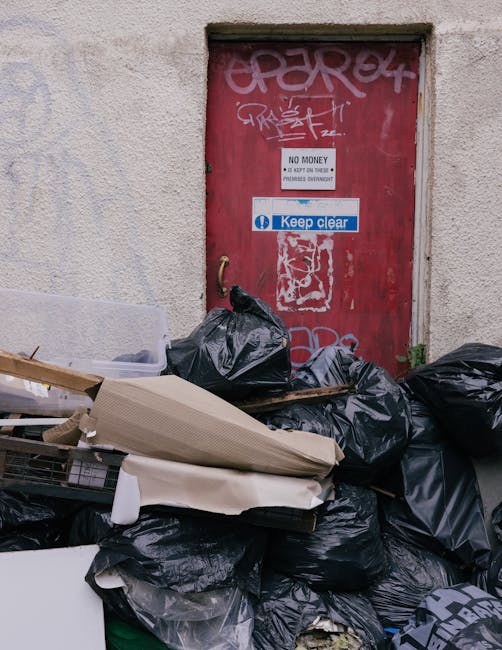
One overlooked item can cause a whole job to slow down. A mattress left on the pavement too early, a fridge not handled properly, or bags placed out before collection windows can quickly turn into a complaint. And let's be honest, nobody wants the added stress of trying to explain a pile of unwanted items to neighbours or managing agents.
There is also the simple fact that estate clearances often involve a lot of sorting. Some things are for reuse, some for recycling, and some are only fit for disposal. If those streams get mixed, the process becomes less efficient and usually more expensive. A good clearance isn't just about speed. It's about order.
For removal jobs, the rules matter in another way too: crews need enough space, sensible access, and a plan for what leaves the property and what stays. This is especially true in Hackney's tighter streets and estates, where parking and loading can be awkward on a normal Tuesday morning, never mind during peak traffic.
Expert takeaway: The best estate clearance is not the one that moves the fastest. It is the one that sorts items properly, protects the property, and leaves no grey areas about disposal.
If you're also comparing service approaches, it helps to look at broader moving support such as removal services, house removals, or even a flexible man and van option when the job is smaller and more straightforward.
How Hackney waste rules for estate clearances and removals Works
The basic idea is simple: you identify what is being removed, sort it into sensible categories, and make sure each category goes where it should. In practice, that means a clearance plan that separates reusable items, recyclable materials, general waste, and anything that needs special handling.
For an estate clearance, the process often looks like this:
- Walk through the property and identify what stays, what goes, and what might need valuation or family review.
- Separate items by type such as furniture, bedding, small electricals, paperwork, crockery, clothing, and garden materials.
- Check access and loading conditions so items can be moved safely without blocking communal areas.
- Decide the disposal route for each category, with recycling or reuse wherever practical.
- Remove in a controlled sequence so fragile, heavy, or bulky items don't get damaged or create hazards.
- Leave the property tidy with final checks for lofts, cupboards, meters, and storage spaces.
Removals follow the same logic, but with a slightly different emphasis. A home move or office move usually includes items that are staying with the owner, while an estate clearance usually focuses on disposal or redistribution. In some situations, it's a mix of both. That's common, especially where some furniture is being kept in storage and the rest is being cleared out.
It helps to think in terms of flows. What is going back into a new home? What is heading to storage? What is being taken away for reuse or recycling? A lot of confusion disappears once those questions are answered early.
For example, a family clearing a flat after probate may keep documents, photographs, and one dining set, send a sofa to furniture reuse, and remove broken shelving, old bedding, and damaged boxes as waste. A commercial tenant emptying an office might retain archives and IT equipment while clearing desks, chairs, and packaging. Different job, same principle: sort first, move second.
If the property is a flat, the logistics can be tighter again. Lift access, stair protection, and neighbour consideration all matter. That is why services such as flat removals and removal van support can be a smart fit when space is limited.
Key Benefits and Practical Advantages
Following Hackney waste rules properly is not just about avoiding trouble. It also makes the whole clearance or removal smoother, calmer, and often cheaper in the long run. You get a much better result when everyone knows what is happening to each item.
- Less risk of enforcement issues from incorrect placement or unlawful dumping.
- Cleaner communal spaces in estates, stairwells, and shared access routes.
- Better recycling outcomes because usable materials are kept separate.
- Faster clearance times because crews are not re-sorting items on the fly.
- Lower stress for families and landlords during already busy or emotional periods.
- Better value from the service because the job is scoped properly from the start.
There's a quieter benefit too. Good waste handling creates a more respectful atmosphere. In estate clearances, that matters. You are often dealing with someone's home, not just a pile of possessions. A tidy, methodical process feels more humane. A bit old-fashioned perhaps, but true.
When reuse is possible, it can also soften the environmental impact. Not everything needs to become rubbish. Good furniture, boxed household goods, and clean household items can sometimes be separated before disposal. That is one reason many people ask about furniture removals or furniture pick up alongside broader clearance work.
Who This Is For and When It Makes Sense
This topic is relevant to a lot more people than you might think. It isn't just for probate solicitors or landlords. In Hackney, estate clearances and removals come up in all sorts of everyday situations.
- Families handling probate and clearing a relative's property.
- Landlords and letting agents preparing a property for re-let.
- Executors who need a tidy, documented clearance process.
- Tenants moving out with bulky unwanted items to remove.
- Homeowners downsizing and reducing long-held possessions.
- Offices or charities clearing surplus furniture and equipment.
- Student households with mixed waste, packing material, and furniture.
It makes sense whenever the job is bigger than a simple bin bag run, or when the property needs to be left in a particular condition. If there are stairs, time pressure, neighbours, or mixed items, the rules and the practical handling become part of the service itself.
A quick example: a family clearing a Hackney terrace after a move may think they only need transport. Then the spare bed frame, old curtains, and half a shed's worth of garden clutter appear. That is the moment where a sensible waste plan saves the day.
For larger home transitions, people often combine clearance with home moves or house removalists support so the keep-and-remove sides of the job stay coordinated.
Step-by-Step Guidance
If you want the work to go smoothly, break it down into steps. Trying to do everything at once is where people get tangled up. The job looks easier from a distance than it does in the hallway, to be fair.
1. Create a room-by-room list
Start with the property itself. Walk each room and note what is staying, what is going, and what may need a decision from family, an executor, or a landlord. A short notebook or phone list is enough. You do not need a grand system, just one that is clear.
2. Separate items before moving them
Once items are mixed in a van, they are harder to sort and easier to damage. Keep categories separate where you can: reusable furniture, recycling, general waste, electricals, textiles, and keepsakes. This is the point where a little patience saves a lot of backtracking later.
3. Check for bulky or awkward items
Mattresses, wardrobes, white goods, broken mirrors, and filing cabinets all need extra thought. They may need special handling, extra crew, or a different loading plan. If the item is heavy and awkward in a narrow stairwell, it is probably worth planning before anyone starts lifting.
4. Confirm what can be reused or donated
Not every clear-out item belongs in general waste. Furniture in decent condition, clean household items, and undamaged boxes may be suitable for reuse routes. That can reduce waste and make the job feel more respectful.
5. Use the right vehicle and crew size
A small removal van might suit a one-bedroom clearance. A larger property, or one with more contents, may need a bigger vehicle or multiple trips. Choosing the right setup matters more than people think. A too-small vehicle leads to delays; a too-large one can be wasteful and awkward in Hackney's tighter streets.
6. Keep access and timing realistic
Think about parking, lift use, estate rules, and busy streets. Early starts can help. Midday can be trickier. Late afternoon often means more congestion. Small practical things, but they add up quickly.
7. Finish with a final sweep
Check cupboards, loft spaces, under beds, behind doors, and around meters. Estate clearances nearly always uncover one more thing. There is always one stray charger, one old key, one bag in a corner. Always.
Expert Tips for Better Results
A few good habits make a big difference here. These are the small things that experienced crews tend to do without fuss, because they know it keeps the job under control.
- Photograph the property before the clearance if you need a record of condition or contents.
- Label keep, remove, and review areas so people do not accidentally shift the wrong items.
- Keep valuables and documents separate from the main clearance flow.
- Protect floors, lifts, and bannisters when moving heavy items through shared spaces.
- Ask about recycling and disposal routes before the job begins, not halfway through.
- Build in a little extra time for sorting and final checks.
One practical tip many people miss: decide in advance what happens if the crew finds items that are still useful but not wanted. A clear answer saves awkward pauses. Donate, recycle, store, or dispose. Pick the rule before the van is half full.
If you are unsure how much space the job needs, it may help to compare service types. A small load may suit man with van or man with a van support, while a bigger or more formal project may be better served by removal companies or a larger vehicle option such as moving truck arrangements.
Common Mistakes to Avoid
Most problems in estate clearances do not come from one huge failure. They come from lots of little ones. A bag left in the wrong place, an item not checked, a route not planned properly. Small stuff, but it bites.
- Leaving mixed waste outside too early and attracting complaints or obstruction issues.
- Failing to sort reusable items before general clearance begins.
- Forgetting about access restrictions in estates, lifts, or narrow hallways.
- Underestimating the volume of what is actually in the property.
- Not protecting communal areas during heavy-item removal.
- Assuming every item can go together without checking handling requirements.
- Choosing a service before understanding the scope of the job.
There is also a paperwork mistake that shows up more often than you would expect: nobody keeps a proper note of what was taken, what was left, and why. In a straightforward house move, that might not matter much. In an estate clearance, it can matter a lot. Keep a simple log. It doesn't have to be fancy.
Another one is emotional, not technical. People sometimes rush because the property feels overwhelming. Fair enough. But rushing usually creates more mess, not less. Slow is smooth here, and smooth is fast enough.
Tools, Resources and Recommendations
You do not need a warehouse full of equipment to manage a decent clearance, but a few tools make the process much better. Most of them are basic and inexpensive, which is probably why they get overlooked.
- Sturdy gloves for handling sharp edges, dust, and rough materials.
- Furniture blankets and straps to protect items and prevent movement in transit.
- Labels or tape for marking keep, remove, recycle, and review zones.
- Dust sheets and floor protection for hallways and stairwells.
- Boxes and bags for smaller mixed items, paperwork, and loose contents.
- A clear room list so nothing gets missed in the final sweep.
For more organised packing, especially where a clearance overlaps with moving day, packing and boxes and packing and unpacking services can help keep the useful items distinct from the waste stream.
Storage is another practical option when a property needs to be cleared but decisions are still pending. It is common in probate situations, or when family members want time to decide what to keep. In those cases, storage can be a sensible pause button rather than a permanent answer.
If the property belongs to a business, or the clearance includes desks, files, and office furniture, then office removals or office relocation services may be more appropriate than a general domestic approach.
Law, Compliance, Standards, or Best Practice
Waste handling in Hackney should be approached with the usual UK expectations around lawful disposal, duty of care, and environmental responsibility. You do not need to become a legal expert to get this right, but you do need to understand the basics.
In plain English, that means:
- Do not dump waste illegally.
- Do not leave items where they obstruct others.
- Use appropriate disposal routes for different item types.
- Keep a sensible record of what was removed if the clearance is formal or sensitive.
- Take care with electricals, liquids, and hazardous materials because they may need special handling.
Best practice also means respecting shared spaces. Estate blocks often have stricter expectations than standalone houses. Even when the item removal itself is lawful, poor behaviour can still create a real problem if lifts, stairwells, or entrances are left messy. The practical rule is simple: leave the property and communal areas in better condition than you found them.
For service providers, trust also extends beyond the clearance itself. Customers reasonably expect clear pricing, transparent terms, safe handling, and fair complaint handling. That is why pages such as pricing and quotes, terms and conditions, insurance and safety, and health and safety policy are part of the wider trust picture, not just admin extras.
Where sustainability is concerned, the better approach is usually the one that reduces landfill and supports reuse where possible. That is especially relevant for furniture, household goods, and packaging. A clearance can be legal and still wasteful. Ideally, it should be legal, tidy, and thoughtful. Nice if all three happen, eh?
Options, Methods, or Comparison Table
Not every clearance or removal needs the same setup. The right method depends on the amount of waste, the type of property, and how quickly things need to happen. Here is a straightforward comparison.
| Method | Best for | Strengths | Limitations |
|---|---|---|---|
| Self-managed clearance | Very small jobs, limited items | Can be cheap if you already have time and transport | Hard work, slower, and easy to mis-scope |
| Man and van support | Smaller clearances, flexible loads, mixed removals | Adaptable, practical, good for short-notice jobs | Not ideal for very large estates or complex clearances |
| Full removal service | House moves, larger clearances, more furniture | More organised, usually easier for families and landlords | Can be more involved than a simple transport-only job |
| Specialist clearance planning | Probate, office, or high-volume mixed waste | Better sorting, better records, cleaner handover | Needs more preparation and coordination |
In practice, a lot of Hackney jobs sit somewhere between categories. A property clearance may need a mix of transport, sorting, packing, and storage. That is normal. Rarely neat, always a bit more human than the brochure makes it sound.
Case Study or Real-World Example
A common scenario is an older two-bedroom flat in Hackney that needs to be cleared after a move abroad. The family wants to keep documents, a few pieces of artwork, and one set of bedroom furniture. The rest has to be sorted quickly because the tenancy handover is close.
At first glance, it looks like a simple clear-out. In reality, there are three separate jobs hiding inside it: keep items, move items, and clear items. The team starts by walking through the flat room by room. Documents and personal items go into one pile, reusable furniture into another, and bulky waste is separated from general bagged contents. A storage stop is arranged for a few boxes that the family is not ready to decide on. The bigger items are loaded carefully so the stairwell and entrance stay clear.
Because the items are sorted before loading, the final clearance is quicker and cleaner. The property is left ready for inspection, and nobody has to drag a sofa back through the hallway because somebody changed their mind halfway through. That is the difference planning makes.
In a similar office situation, a team may use commercial moves support to remove desks and chairs while setting aside files and equipment for review. Same principle, different setting. The logistics just get a bit more office-like and a bit less sentimental.
Practical Checklist
Use this checklist before the clearance or removal starts. It keeps the job tidy and reduces last-minute surprises.
- Walk every room and note what stays and what goes.
- Set aside valuables, documents, and sentimental items first.
- Check whether any furniture can be reused, donated, or repurposed.
- Identify bulky or awkward items that need extra handling.
- Confirm access arrangements, parking, and lift use.
- Protect floors, walls, and communal areas.
- Separate waste types before loading.
- Prepare boxes or bags for small loose items.
- Make a final sweep of cupboards, lofts, and under-bed spaces.
- Keep a simple record of what was removed if the job is formal or sensitive.
Quick summary: plan the sort, protect the property, keep records where needed, and choose the right removal setup for the scale of the job. That combination usually saves time, money, and a fair bit of hassle.
Get a free quote today and see how much you can save.
Conclusion
Hackney waste rules for estate clearances and removals are not there to make life difficult. They are there to keep properties tidy, neighbours happy, and waste handled responsibly. Once you break the job into sorting, access, transport, and disposal, it becomes much easier to manage. A calm plan really does beat a rushed scramble.
If you are dealing with a probate clearance, a downsizing move, a tenant handover, or an office empty-out, focus on what needs to leave the property, what should be kept separate, and how the job will be completed safely. That approach works in the real world, not just on paper.
And if you'd rather not carry the whole thing on your own, that is completely fair. A little practical support can turn a stressful day into a manageable one, which is often exactly what people need.
Frequently Asked Questions
What are Hackney waste rules for estate clearances and removals?
They are the practical rules and expectations around sorting, moving, and disposing of waste from a property clearance or removal in a lawful, tidy, and responsible way.
Can I leave estate clearance items on the pavement in Hackney?
Not safely as a default. Items should only be placed out in line with the appropriate collection arrangement and timing, otherwise they can create obstruction or fly-tipping concerns.
Do furniture items have to be treated as waste straight away?
No. Usable furniture may be suitable for reuse, storage, or rehoming. It is usually better to decide that before loading everything into one pile.
What should happen to electrical items during a clearance?
Electricals should be separated from general waste and handled through the appropriate disposal route. They often need different treatment because of components and recycling requirements.
How do I handle a probate estate clearance in Hackney?
Start with a room-by-room list, protect documents and valuables, sort items into keep, reuse, recycle, and dispose categories, and keep a basic record of what is removed.
Is a man and van suitable for a small estate clearance?
Often, yes. Smaller clearances with limited furniture or a few bulky items can work well with flexible transport, especially where access is tight or the job is short notice.
What if the property has a lot of mixed waste?
Then sorting becomes even more important. Mixed waste is harder to move efficiently, so the best approach is to separate items before loading and confirm the disposal route for each type.
Do I need storage during an estate clearance?
Sometimes. If family members are undecided about certain items, or if handover timing is tight, short-term storage can give everyone room to make better decisions.
How can I avoid complaints from neighbours during a clearance?
Keep communal areas clear, avoid early pavement placement, protect shared surfaces, and plan loading times sensibly. Good communication also helps more than people expect.
What is the biggest mistake people make in removals and clearances?
Trying to move everything before sorting it. That usually creates confusion, wastes space, and makes the disposal side of the job much harder than it needs to be.
How do I know whether I need a full removal service or just clearance help?
If you are moving possessions into a new home, a removal setup may be the better fit. If you are mainly emptying a property and disposing of contents, a clearance-focused approach is usually better.
Should I ask about insurance and health and safety before booking?
Yes, absolutely. It is sensible to understand how items will be handled, what protection is in place, and how the work is managed safely, especially for heavy or awkward items.
Handling a clear-out well is not glamorous, but it does make a real difference. One organised day can save weeks of friction later, and sometimes that is the nicest outcome of all.